Technical
Hands-On Mastery – Build, Fix, Create.
Practical &
Engineering Skills.
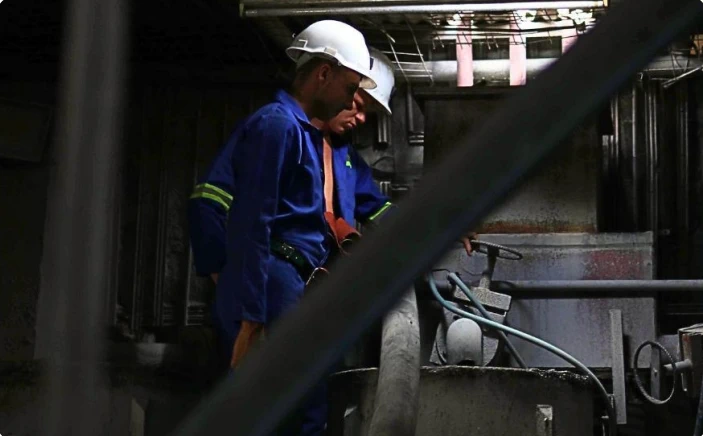
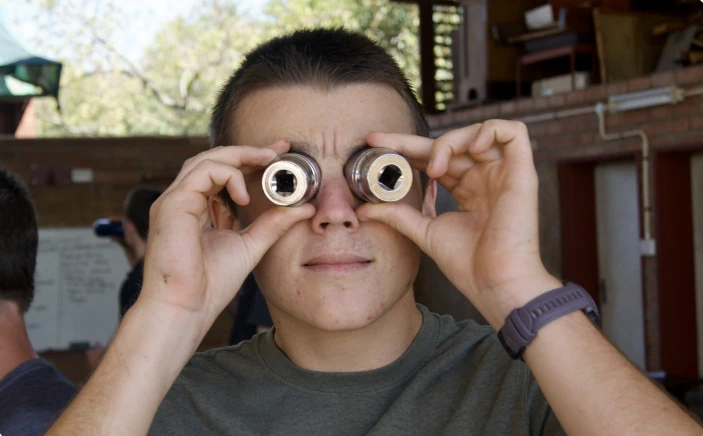
Courses within the Technical acumen include mechanics, welding, construction, plumbing, and electrics. Course modules are focused on providing students with practical skills that are immediately tested and applied in real-life scenarios.
Mechanics
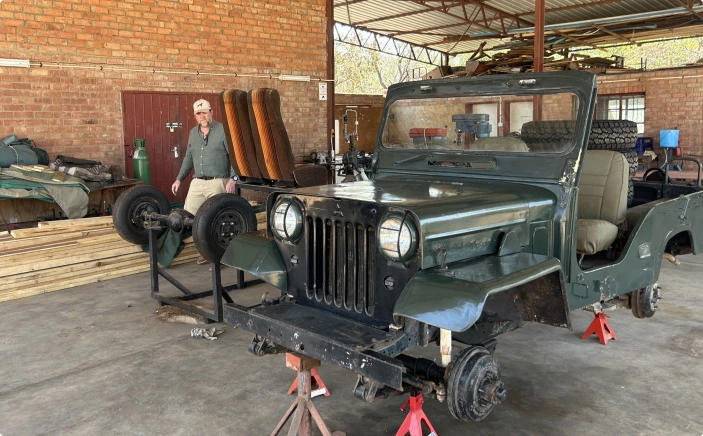
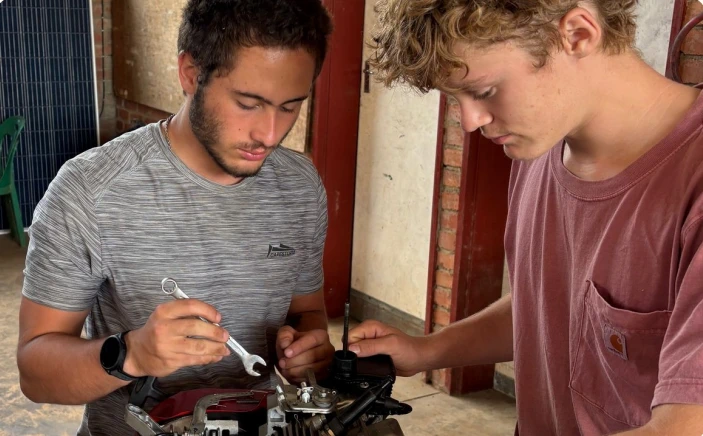
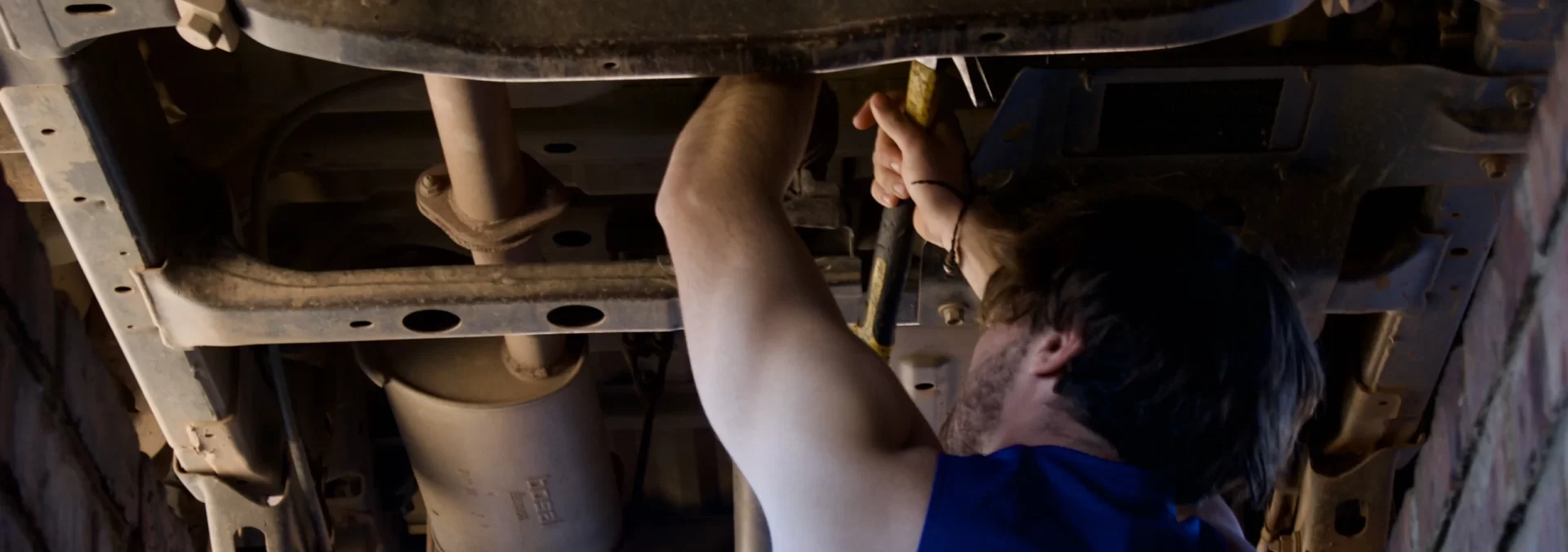
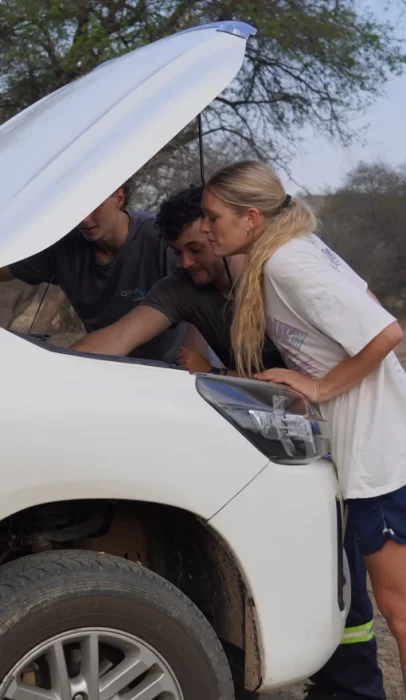
In the Mechanics course, students are introduced to the key concepts of vehicle mechanics through the reconstruction of a run-down land cruiser. The course covers various aspects, including the engine, ignition system, fuel injection system, cooling system, clutch, gearbox, braking system, steering, auto-electrics, bodywork, and miscellaneous components.
Welding
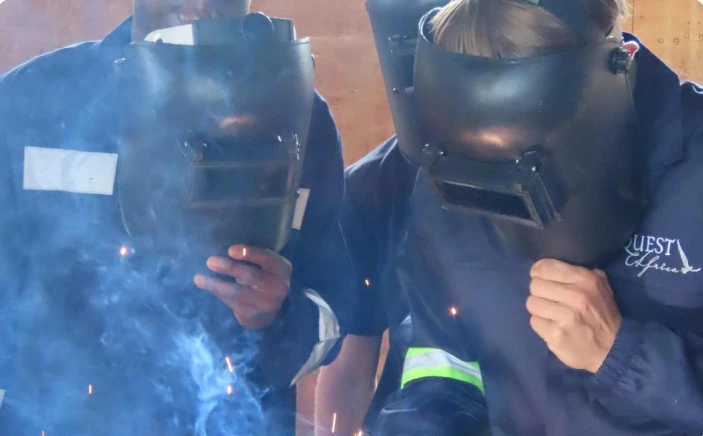
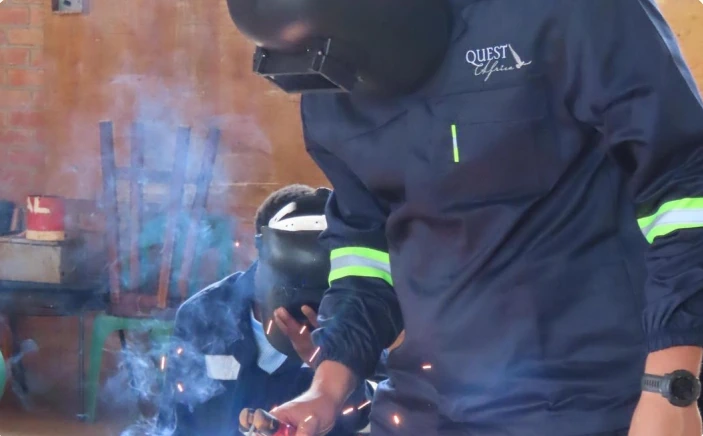
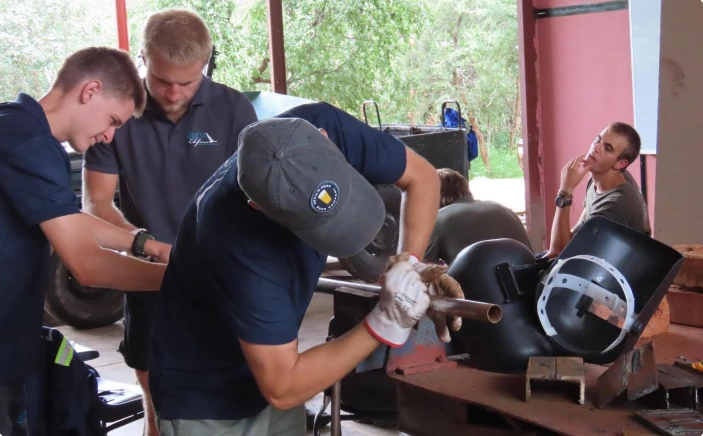
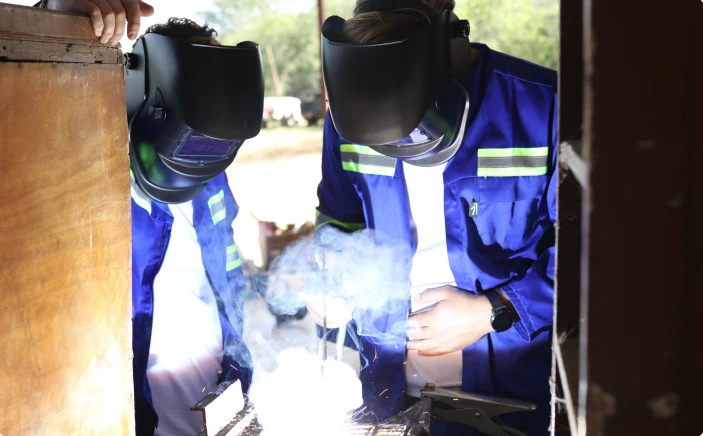
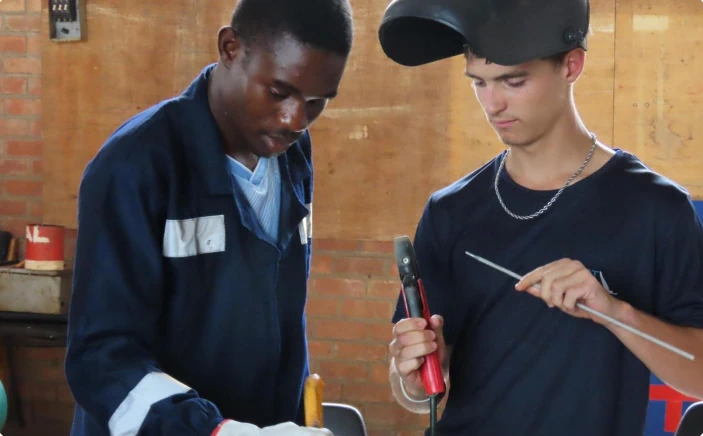
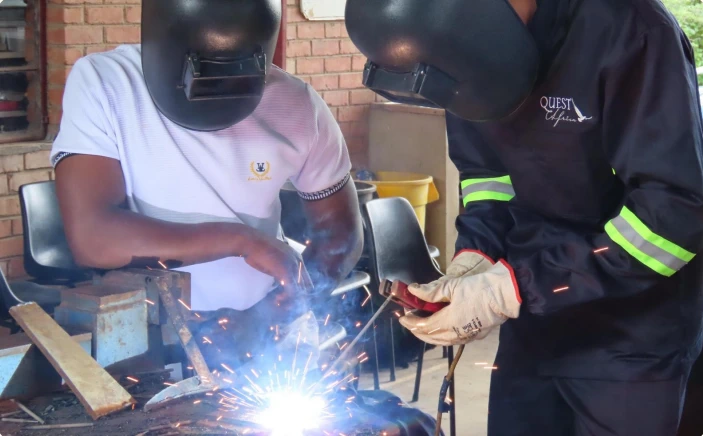
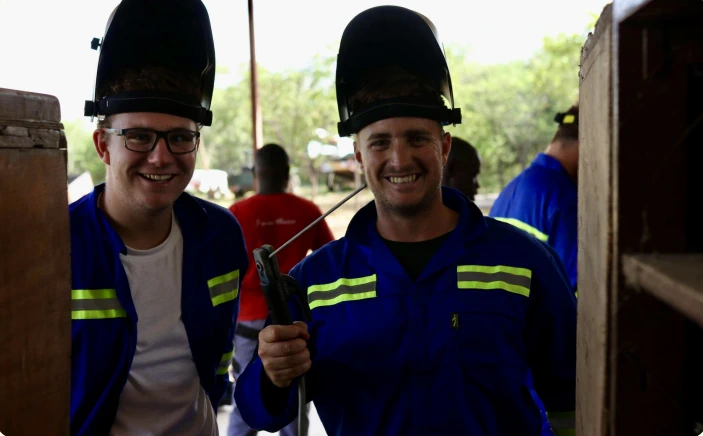
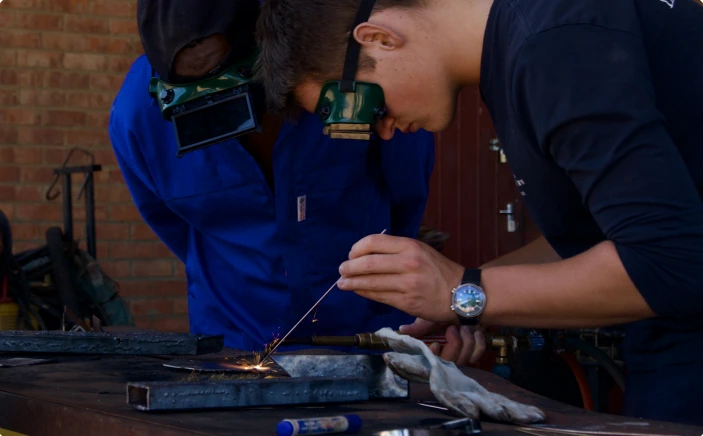
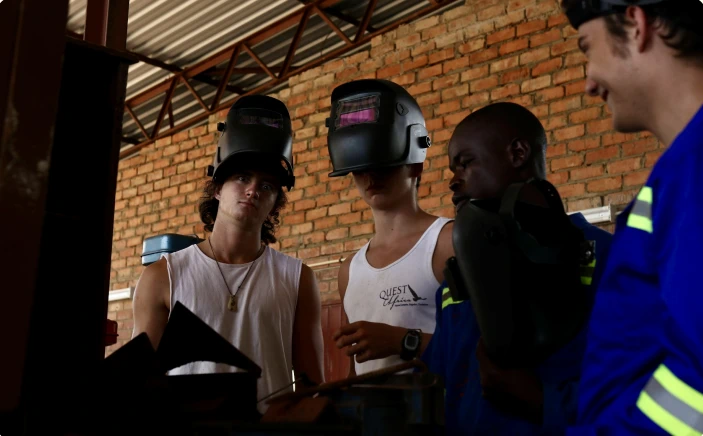
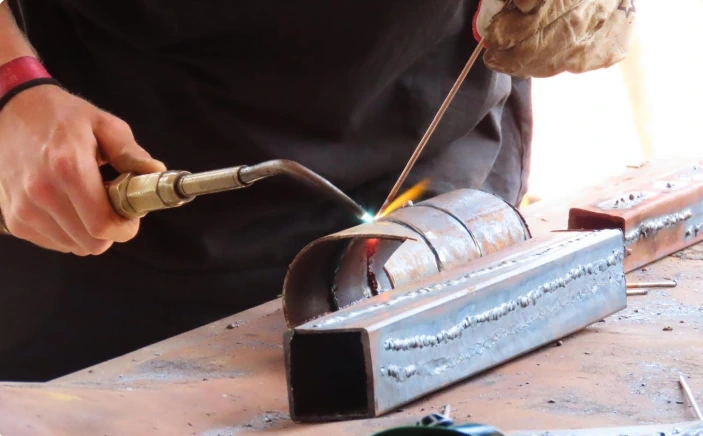
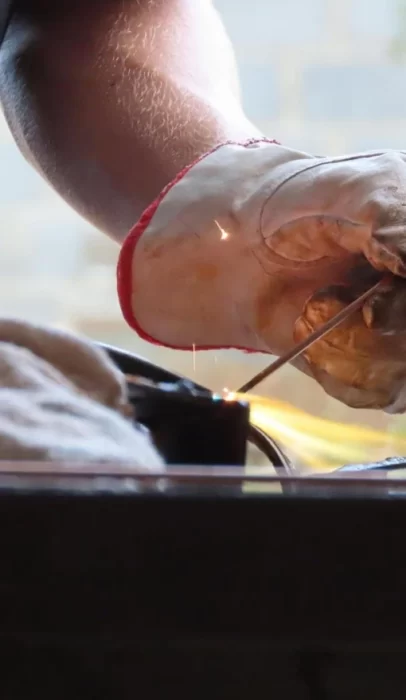
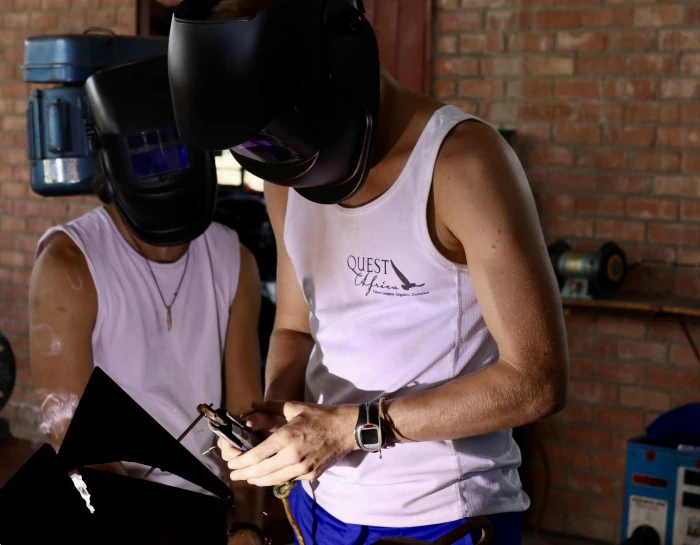
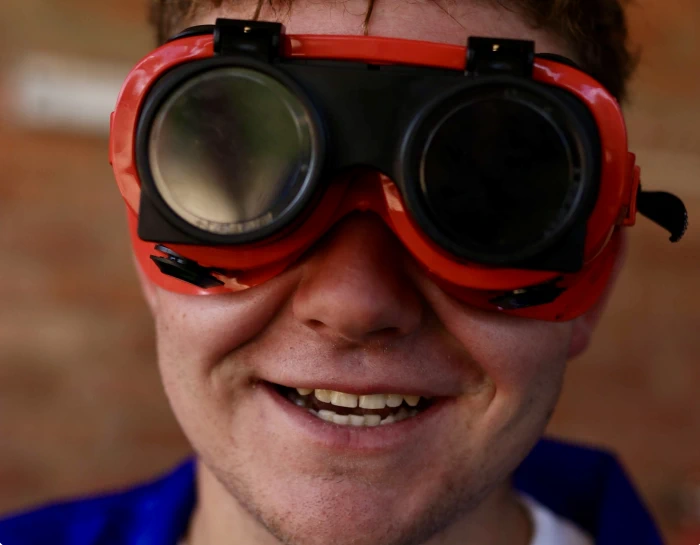
The Welding course provides an introduction to welding concepts, teaching students basic and advanced methods and practices. Topics covered include oxy-acetylene gas welding, manual metal arc welding, MIG/MAG welding, TIG/TAG welding of different metals, safety precautions, tools and equipment, welding symbols, joint design, weld inspection, and practical welding exercises.
Construction
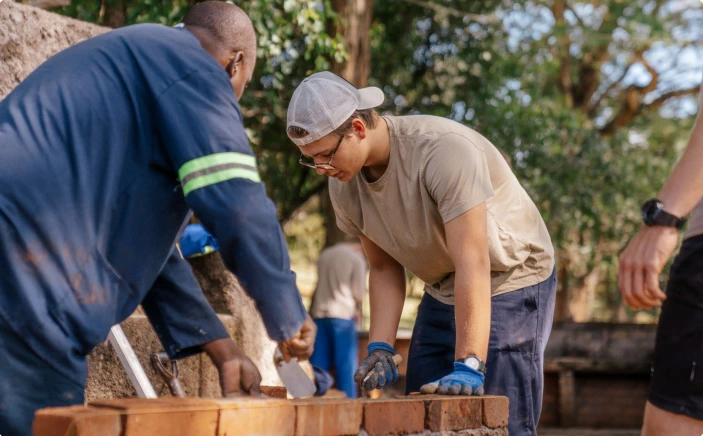
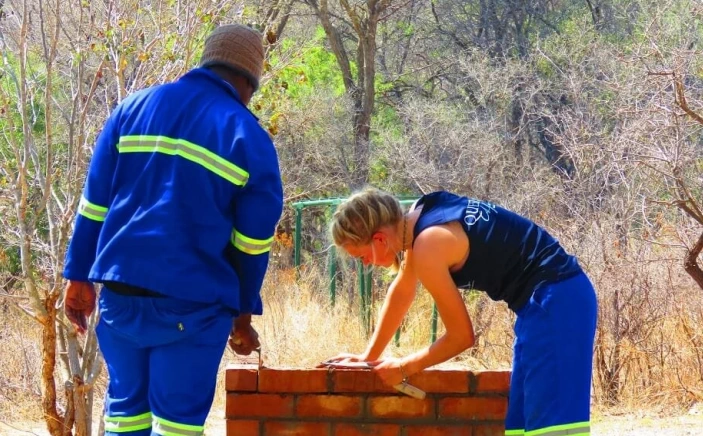
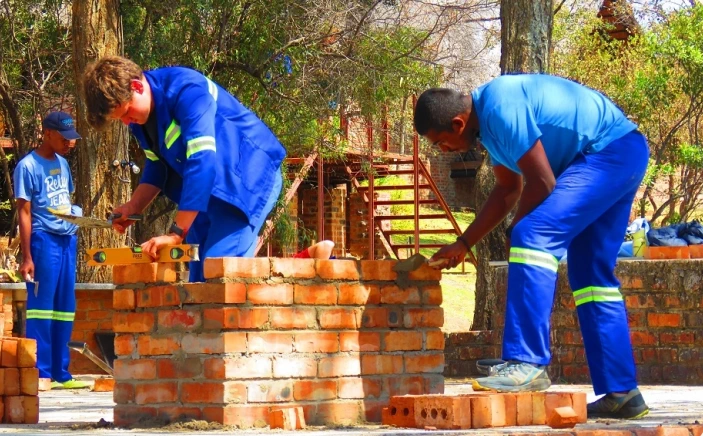
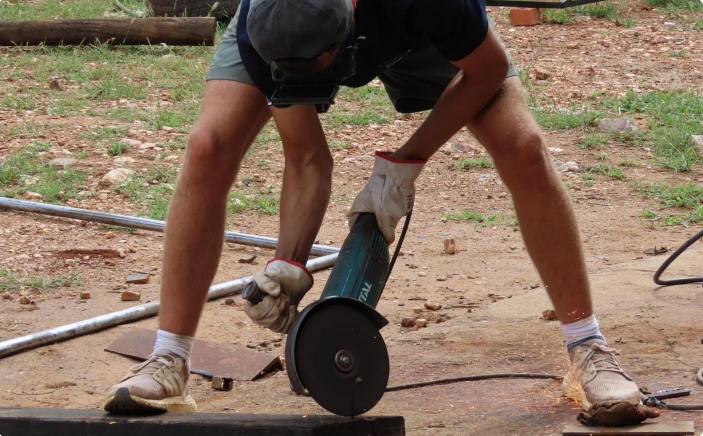
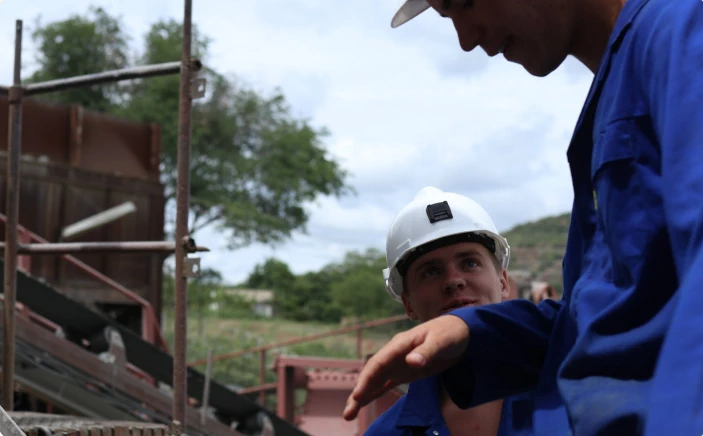
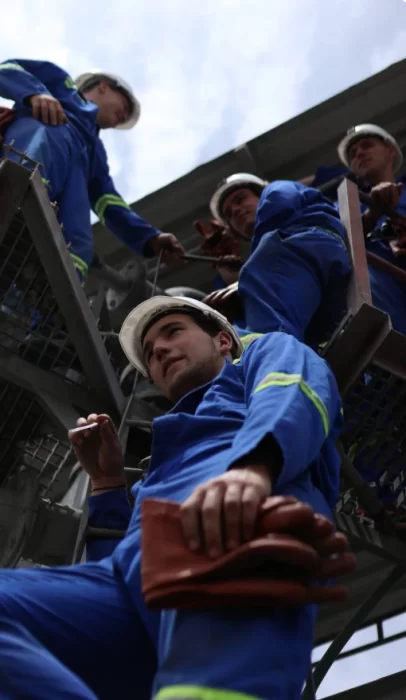
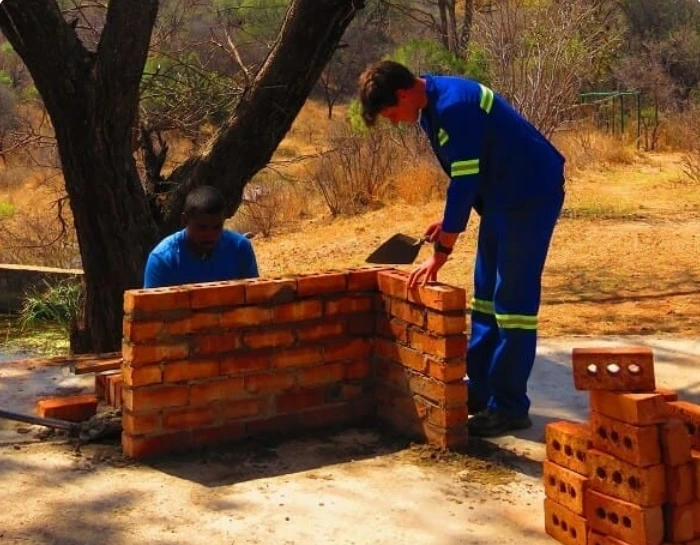
The Construction course aims to give students a basic understanding of the construction industry and techniques. Topics covered include planning a job, constructing blockwork walls, plastering, foundations and solid floor casting, temporary support installation, creating new doorways, enlarging windows, and projects related to sustainable energy usage and housing construction or renovation.
Plumbing
The Plumbing course provides students with an understanding of plumbing concepts through hands-on experience. They learn about working with copper and plastic piping, installing basin, shower, and WC units, and planning pipe and waste runs. Practical application of plumbing skills is emphasized through community support work and lodge construction.
Electrics
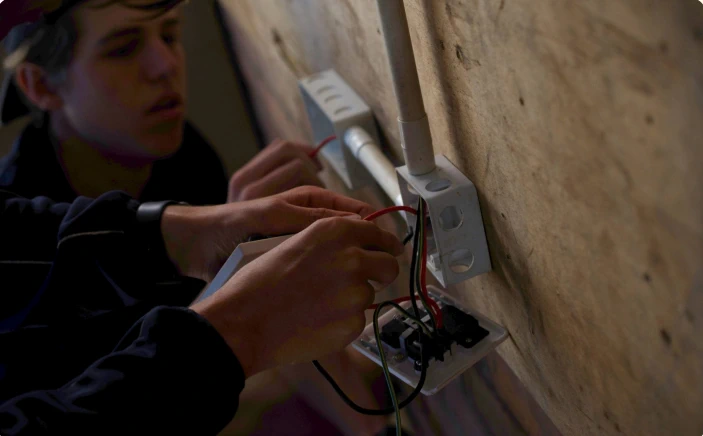
The Electrics course covers various aspects of electrical work, including fuseboard understanding, plug and fuse replacement, installation of wall and ceiling lights and sockets, generator repair, and the principles and benefits of solar systems. Students apply their knowledge to real-life scenarios once they have achieved a sufficient level of understanding.